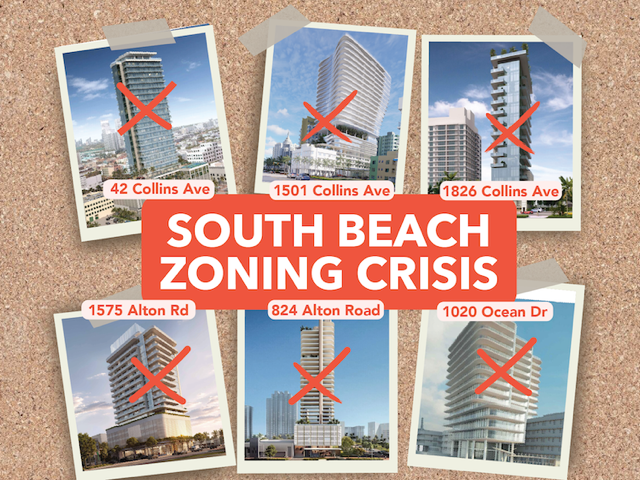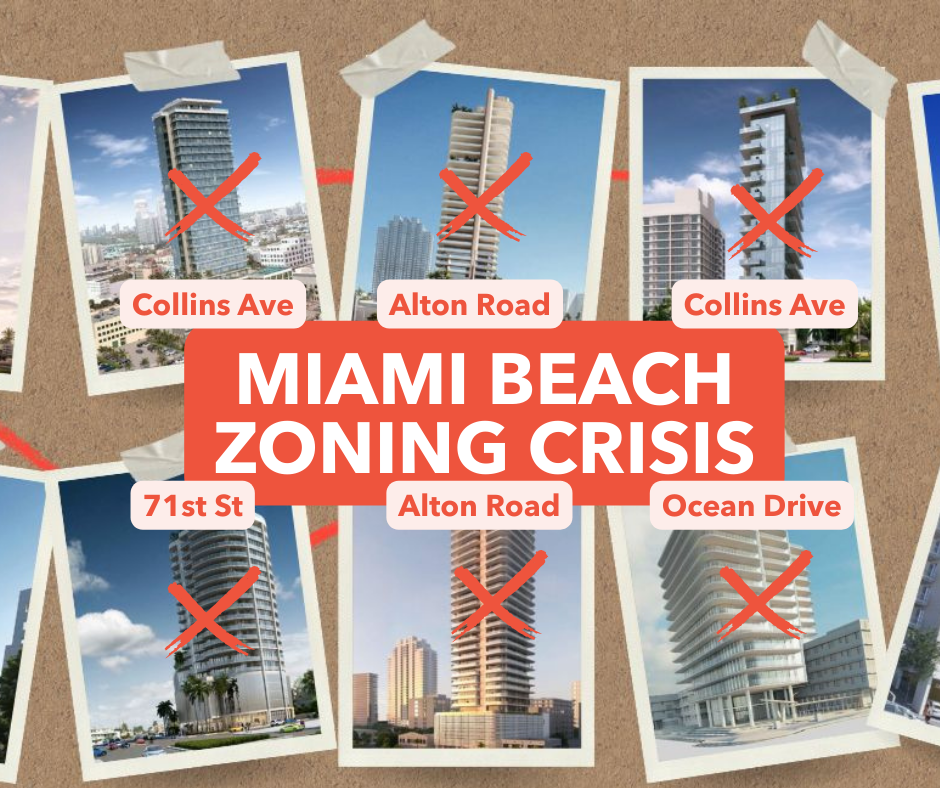
Since declaring my candidacy for Miami Beach City Commission, Group 1, in February, I have consistently warned that our city is facing a serious zoning crisis. I have written about it on this blog, raised it in public forums, and made it a central theme of our video campaign because the consequences are no longer theoretical. They are now directly in front of us.
Although my campaign did not win, the zoning crisis is still very much present, and we cannot sweep it under the rug like so many other problems in our city.
A proposed project on Ocean Drive, submitted under Florida’s so-called “Live Local” law, demonstrates exactly how state preemption threatens Miami Beach’s carefully planned neighborhoods and historic districts.
A Live Local Project That Could Reshape the Art Deco District
The Art Deco District is governed by some of the strictest zoning and design regulations in the city, for good reason. These rules protect historic buildings, preserve neighborhood scale, and ensure that development respects the character that defines Miami Beach.
Under the Live Local Act, however, those local protections can be overridden.
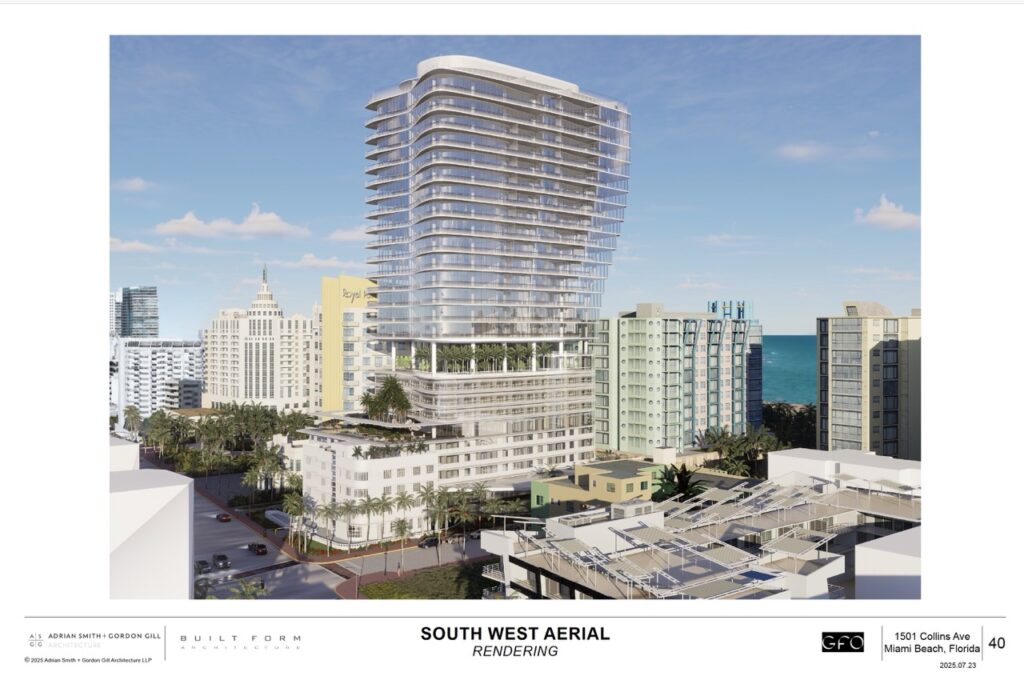
A pre-application has been submitted for 1501 Collins Avenue (15th Street and Collins Avenue) invoking state preemption under the Live Local law. This proposal would allow a tower that dramatically exceeds every major local zoning standard, not through a community process, but through a Tallahassee mandate.
This is not an incremental change. It is a complete bypass of local control.
Why This Proposal Violates the Spirit of Our Zoning Protections
Neighbors purchased homes and invested in businesses with the understanding that Miami Beach’s zoning rules would be enforced. This proposal breaks that trust.
Key comparisons make the impact clear:
- Maximum FAR allowed under local zoning: 2.0
- FAR proposed: 6.375
- Local height limit: 150 feet
- Height allowed under Live Local preemption: 300 feet
In other words, this project is more than three times the permitted density and double the maximum height currently allowed.
The resulting tower would loom over the historic Bancroft building, block light and air from neighboring properties, and fundamentally alter the scale of Ocean Drive. These impacts are permanent.
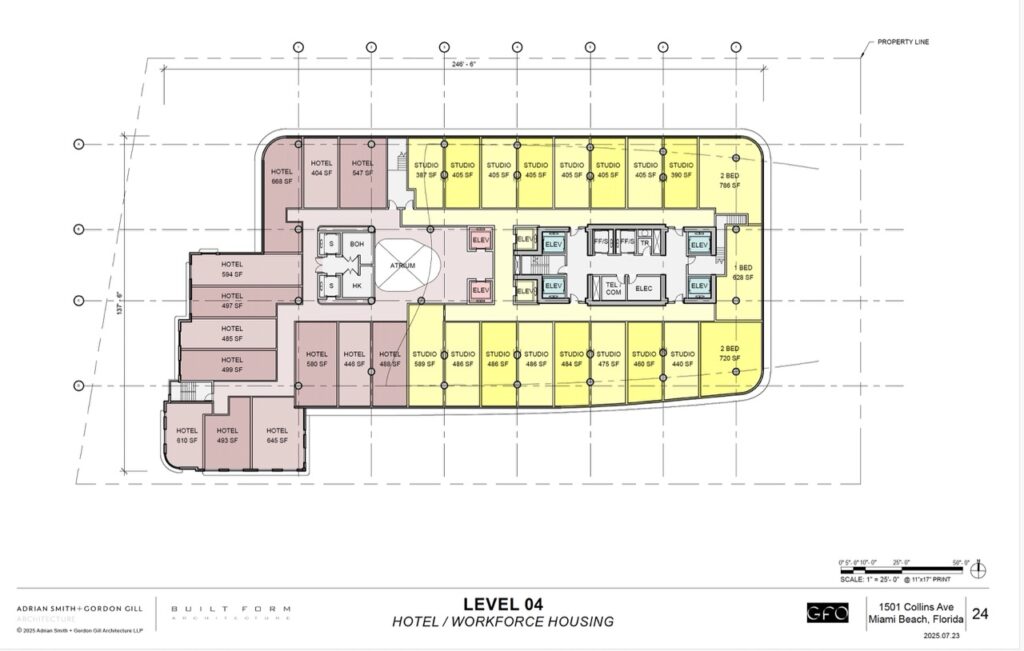
Is This the Workforce Housing Miami Beach Needs?
Supporters of the Live Local Act argue that it is necessary to address workforce housing shortages. The goal of increasing housing opportunities is legitimate. The method is not.
According to the application, the workforce housing component would include:
- 120 studio units
- 22 one-bedroom units
- 3 two-bedroom units
Most of these units are studios under 500 square feet, often stacked alongside hotel rooms. Meanwhile, the luxury condominiums above would approach 5,000 square feet each.
This is a one-size-fits-all state policy being forced onto a barrier island with limited infrastructure, unique historic assets, and intense tourism pressures. It does not reflect local realities, and it does not deliver balanced housing solutions.
The Cost of Losing Home Rule
If projects like this proceed unchecked, they set a precedent that no historic district, neighborhood, or zoning protection is safe. Infrastructure will be strained, neighborhood character will be erased, and local planning will be reduced to an afterthought.
This is not how responsible cities grow.
Miami Beach must act decisively.
What Needs to Happen Next
First, the City Commission should require a clear, formal legislative tracking and reporting process for every Live Local application submitted in Miami Beach.
Second, the city must use every available legal tool to challenge this overreach. More than two dozen municipalities across Florida are already contesting similar state preemption laws, including SB 180.
Miami Beach should remain Miami Beach, not a cautionary example of what happens when local voices are silenced.